
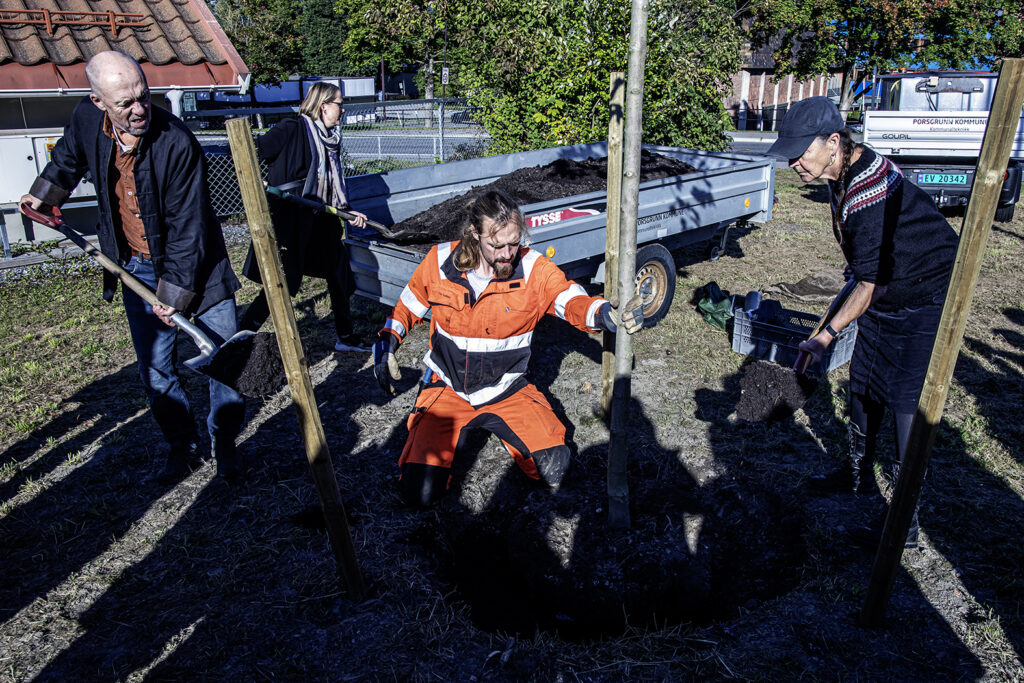
Within the TREES project, workshops played a central role as spaces of encounter, reflection, and embodied learning. Across different countries, age groups, and social contexts, these workshops explored how performing arts can deepen our relationship with trees, forests, and the ecosystems we depend on. Rather than transmitting information alone, they invited participants to experience, question, and feel environmental issues through body, imagination, and collective creation.
Connecting Body, Nature, and Emotion
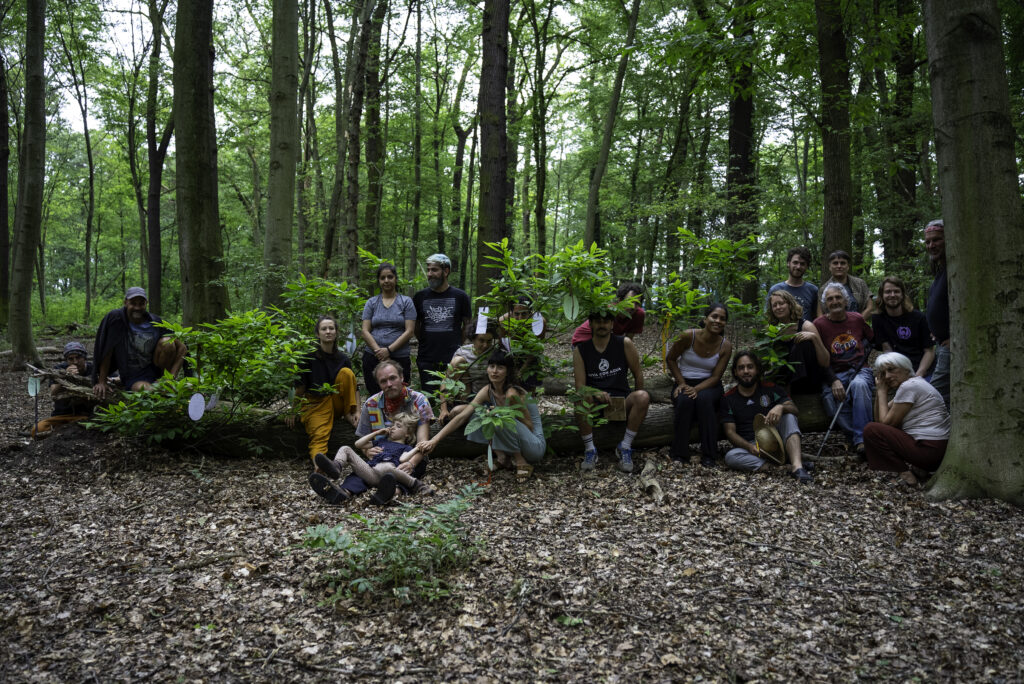
Many workshops started from the body as a point of access to environmental awareness. Through theatre warm-ups, movement improvisations, and sensory exercises, participants explored what it means to “become a tree”: to grow, to resist, to age, and sometimes to fall. These embodied approaches made abstract concepts such as climate change, resilience, or ecological interdependence tangible and personal.
In workshops such as “Roots” and “Seedlings of Change”, participants described moments of calm, vulnerability, and deep emotional connection. Trees were not approached as symbols only, but as living beings with memory, endurance, and presence. Creative writing and meditation exercises led to intimate reflections, questions addressed to trees, and poetic responses that revealed how strongly participants related their own fears, hopes, and exhaustion to the state of the natural world.
Dialogue Between Art, Activism, and Knowledge
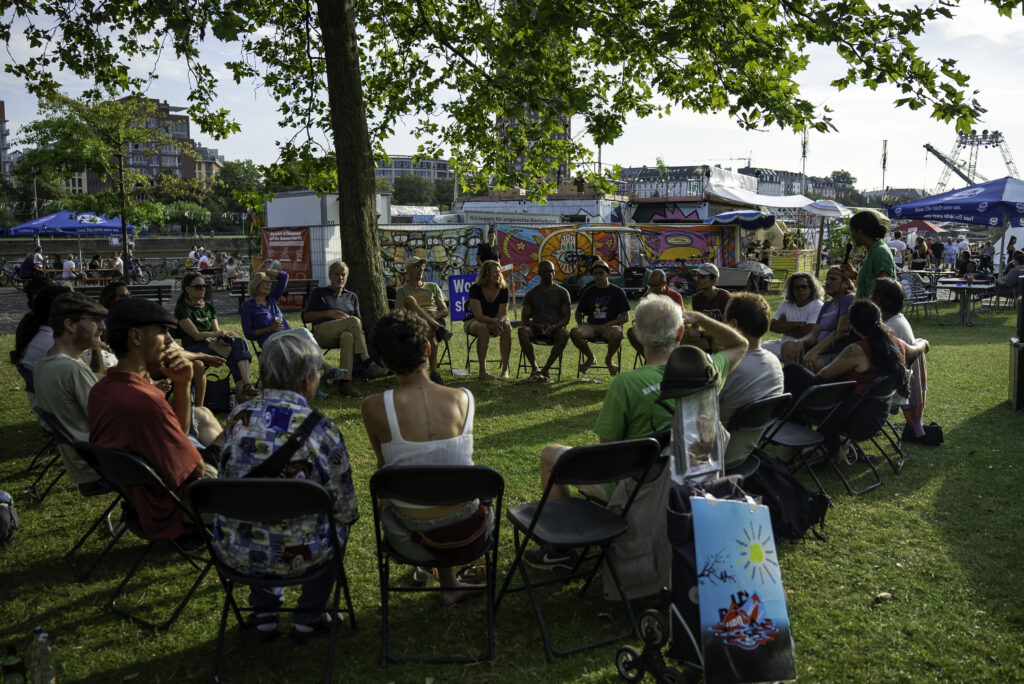
Several workshops created bridges between artistic practice and environmental knowledge. Discussions with climate activists, environmental organisations, biologists, and landscape experts enriched the artistic exploration with concrete perspectives on forests, urban trees, biodiversity, and local environmental struggles. Rather than separating art and science, the workshops treated them as complementary ways of understanding reality.
Participants reflected on urgent questions: How are forests changing? What does resistance look like in nature? What can humans learn from trees about cooperation, patience, and long-term thinking? These conversations did not aim to deliver simple answers, but to open shared spaces of inquiry where artistic language could coexist with ecological expertise.
Workshops for Children: Learning Through Play and Story
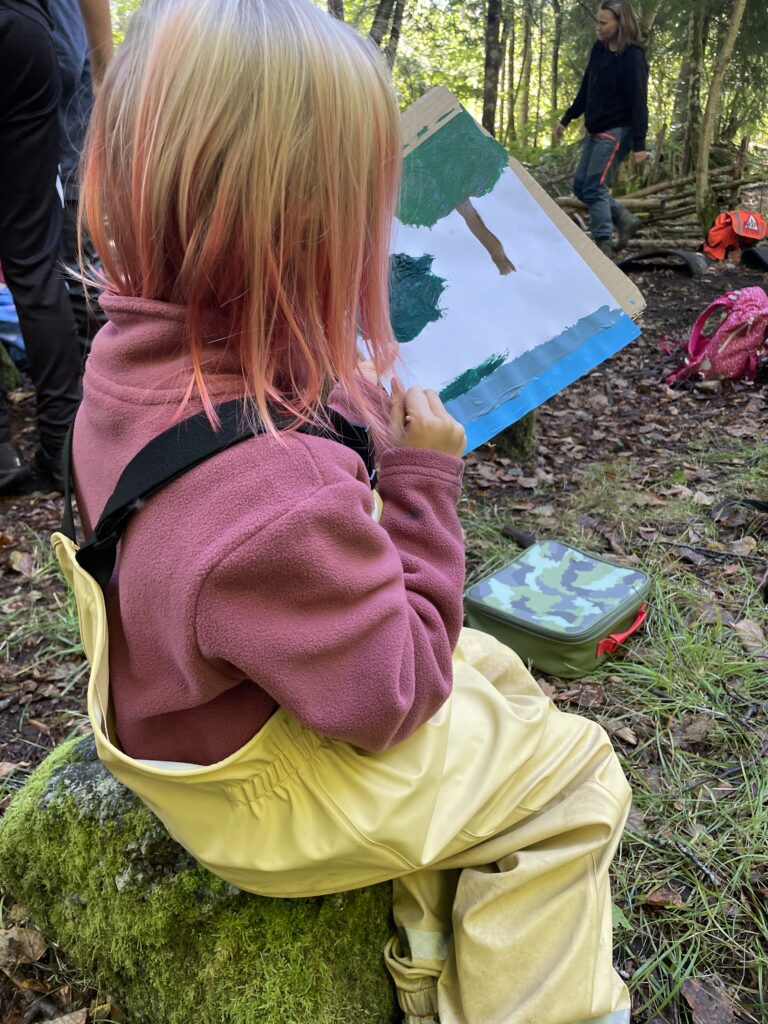
Workshops designed for children placed imagination, storytelling, and play at the centre. Through fairy tales, performative tasks, drawing, and collective problem-solving, children explored themes such as decomposition, biodiversity, fire, water, and forest ecosystems. By personifying trees and creating narrative worlds, complex environmental processes became accessible and meaningful.
Children learned not only about trees, but with trees: by observing, listening, drawing, and spending time outdoors. Teachers reported increased curiosity, stronger connection to nearby forests, and inspiration to integrate nature more actively into everyday learning. These workshops demonstrated how early emotional bonds with nature can support long-term environmental awareness.
Collective Creation and Shared Responsibility
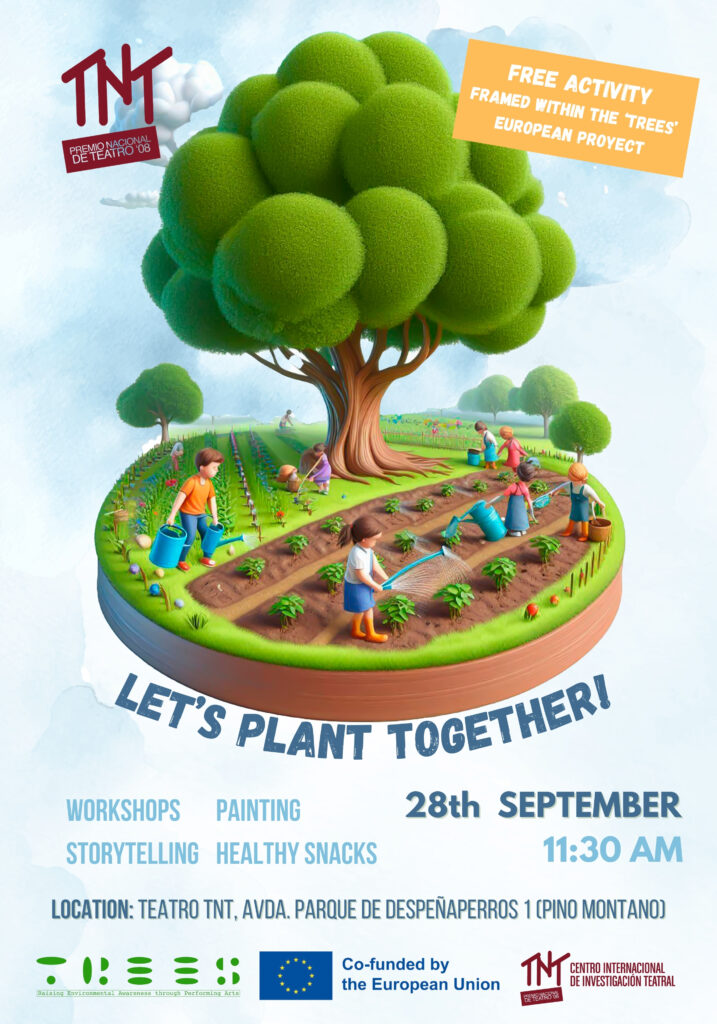
Across all contexts, workshops emphasised collaboration. Whether through group improvisations, shared murals, collective discussions, or symbolic acts such as planting a tree, participants experienced environmental responsibility as something communal rather than individual. The metaphor of interconnected roots repeatedly emerged: strength was found not in isolation, but in mutual support.
Participants consistently expressed that these workshops helped them reflect on their own role within larger ecological systems. Many described feeling encouraged to stay engaged, to ask “what can I do?”, and to continue conversations beyond the workshop space.
Lasting Impact
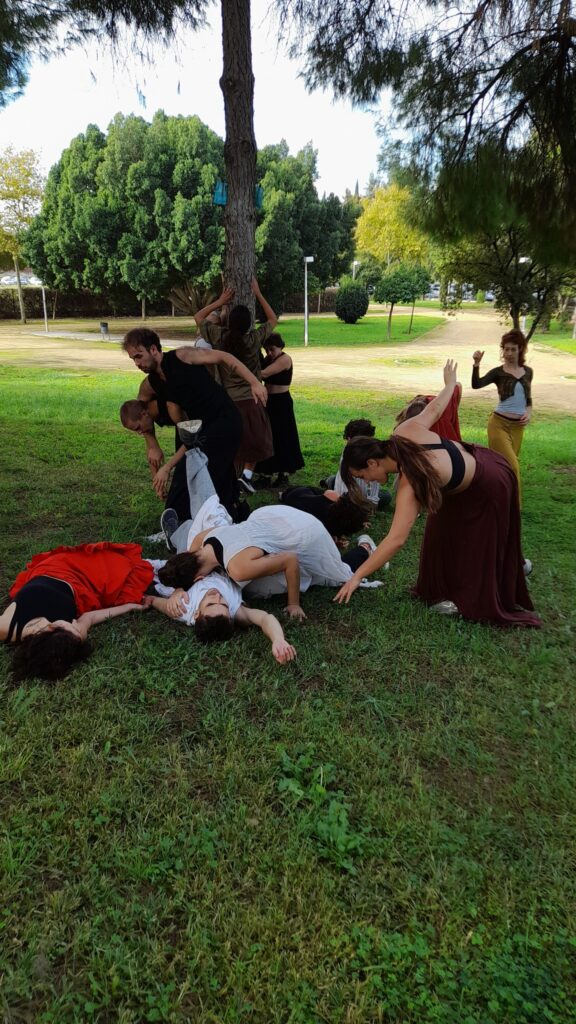
The TREES workshops functioned as living laboratories where art, ecology, and social reflection met. They showed that environmental awareness is not only cognitive, but deeply emotional, physical, and relational. By creating safe spaces for listening, movement, creativity, and dialogue, the workshops nurtured resilience, curiosity, and a renewed sense of connection to the natural world.
Rather than offering solutions, they planted something more durable: attention, empathy, and responsibility — seeds that continue to grow long after the workshops ended.